

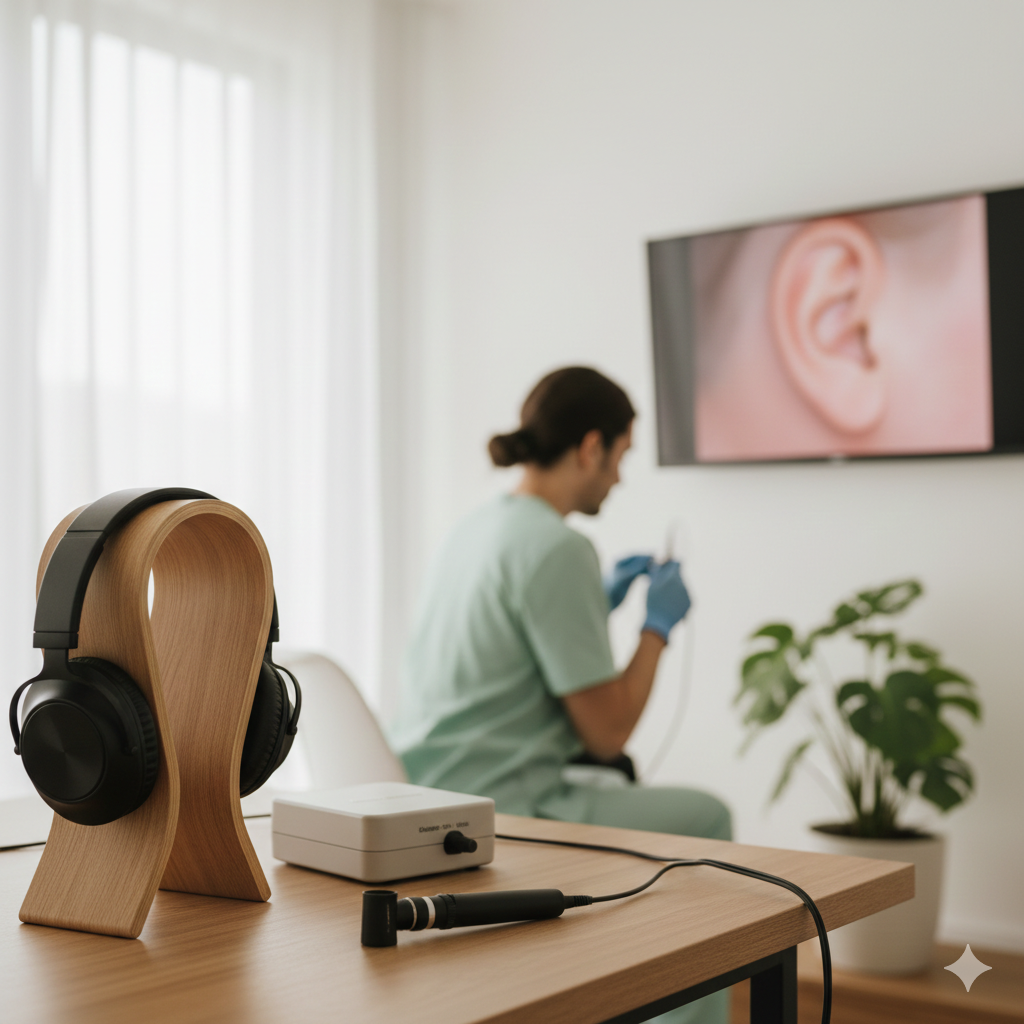
A Common Habit That Causes Ear Problems
Many people use cotton buds as part of their daily hygiene routine, believing they are cleaning their ears. In reality, the ear is self-cleaning, and inserting objects into the ear canal can often create more problems than it solves. Understanding the risks can help protect your hearing and overall ear health.

1. Cotton Buds Push Wax Deeper
Rather than removing ear wax, cotton buds often push it further into the ear canal.
Over time, this can cause compacted wax that becomes difficult to remove naturally, leading to blocked ears and reduced hearing.
2. They Can Irritate the Ear Canal
The skin inside the ear canal is extremely delicate.
Repeated use of cotton buds can cause irritation, inflammation, and small scratches that may increase the risk of infection.
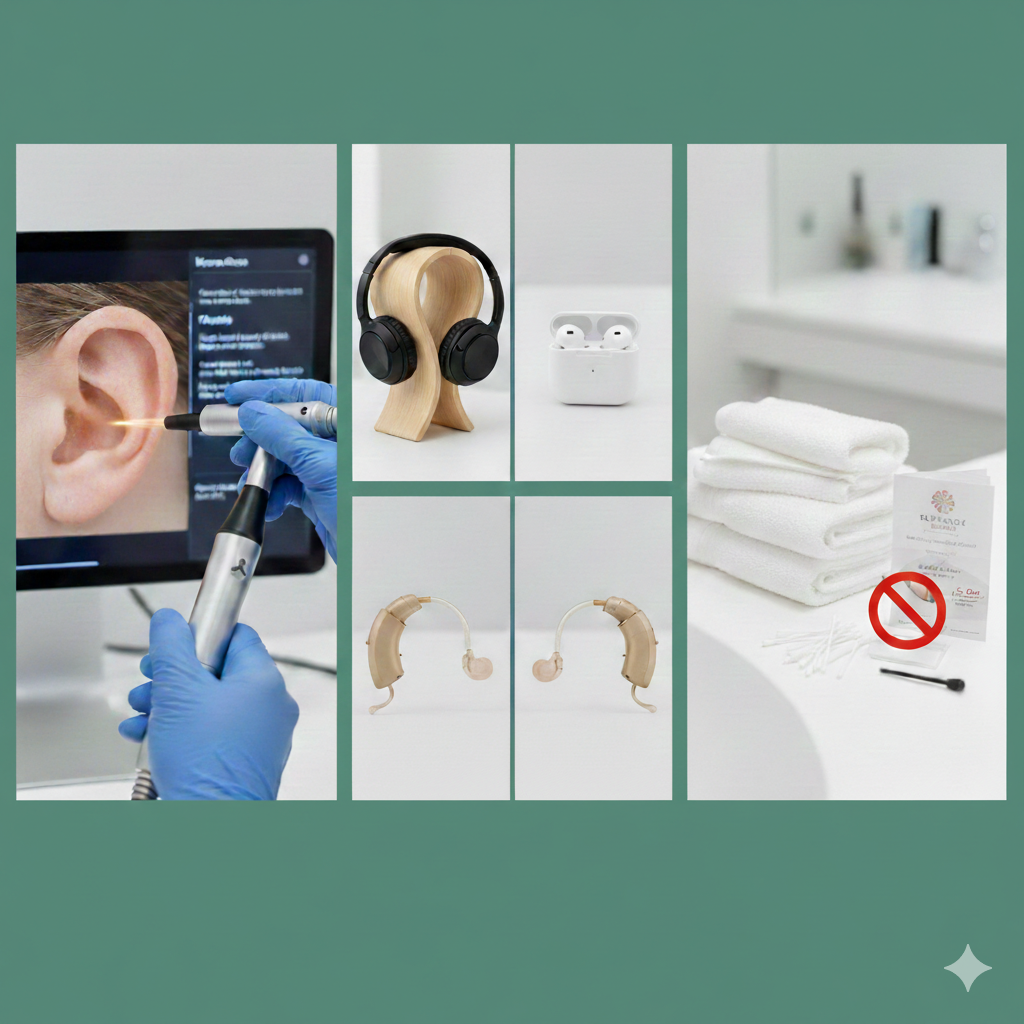

3. Increased Risk of Ear Damage
Using cotton buds too deeply can potentially damage the ear canal or even the eardrum.
- While serious injuries are uncommon, they can lead to pain, hearing difficulties, and the need for medical treatment.
4. There Are Safer Alternatives
If you're experiencing blocked ears or hearing changes, professional ear wax removal is a much safer solution.
Micro suction allows trained practitioners to remove wax under direct vision without pushing it deeper or risking damage to the ear.
Protect Your Hearing with Professional Care
Healthy ears rarely need cleaning inside the ear canal. If you suspect ear wax build-up, seeking professional advice is the safest option.
At EarWeGo, we provide convenient mobile micro suction ear wax removal, helping you maintain clear hearing without the risks associated with cotton buds.

References:
NHS - Earwax Build-Up and Treatment Guidance
British Society of Audiology - Ear Care Best Practice Recommendations